
Under-sink water heaters are one of my favorite things in life. When you turn it on, you immediately have access to hot water for washing, cooking, and other tasks. A common household appliance that is even considered a must-have appliance is the on-demand kitchen water heater.
You can definitely get this convenience, but it’s unlikely to be the same as what we have.
First of all, there are two installation methods for kitchen water heaters,
- installed on the wall above the sink,
- placed in the cabinet below the sink.
In addition, almost all kitchen water heaters are electric water heaters as well as gas water heaters. But venting gas appliances in an enclosed area, such as a sink cabinet, can be very challenging. Additionally, there are tank and tankless designs.
However, isn’t an under-sink water heater unnecessary if you already have a central heat source? Possibly, if there isn’t much space between the sink and the main water heater. The under-sink water heater, however, can be a water-saving asset if it isn’t.
For example, at a flow rate of 2 GPM, waiting 30 seconds for hot water uses approximately 1 gallon of water. Repeating this three times a day adds up to about 90 gallons per month. A properly selected point-of-use water heater can reduce this waiting time and associated water waste.
What is an under-counter water heater?
Under-sink water heaters, also known as point-of-use water heaters, are basically smaller versions of whole-house water heaters that provide instant hot water at the sink.
Because tank-type under-sink water heaters is designed for tight spaces, they have limited storage capacity—usually two and a half to four gallons. Flow rates depend on the main line, but most can handle three gallons per minute.
Under-sink water heaters can be connected to the main hot or cold-water supply. When the water heater is the only source of hot water, it is connected to a cold source. But when it provides hot water faster, it is usually connected to a hot water supply system.
Different Under-Sink Water Heaters
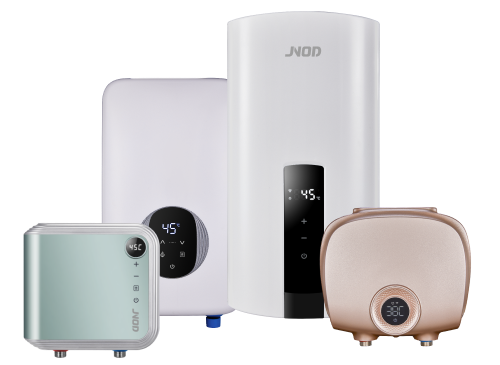
Under-sink electric water heaters generally come in two types: mini-tank storage heaters and tankless (instantaneous) heaters.
Mini-tank water heaters store a small amount of heated water and maintain its temperature. During extended use, the stored hot water may run low, and the unit needs recovery time to heat the replenished water.
Tankless water heaters heat water on demand when the flow reaches the unit’s activation threshold. They typically require higher electrical power during operation but avoid the standby heat losses associated with storing hot water. Electronic controls may still consume a small amount of electricity in standby mode.

Voltage: Available in 110-120 volt and 220-240 volt models. Since they require more instantaneous power, many require 220-240 volts, while tank-style models often only require 110-120 volts. Models that run on lower voltages usually have plugs, while those that run on higher voltages are hardwired.
Vertical vs. suspended: Tank-style water heaters are typically placed at the bottom of a cabinet, while on-demand models hang from the side.
What is the price of an under-counter water heater?
Depending on the power and whether there are additional functions such as WiFi, constant temperature or non-constant temperature, the price will be different. Please contact JNOD for details, and we will provide you with a better solution.
Advantages and disadvantages of under-sink water heaters
Instant hot water brings additional benefits:
Reduces water waste;
There is almost no energy consumption during standby, reducing electricity bills.
Convenient for cooking or cleaning.
Cheap and easy to install.
Low or even maintenance-free.
Small enough to be hidden under the sink.
Constant temperature model: no water temperature fluctuations.
Some disadvantages to consider:
Non-constant temperature model: water temperature fluctuates;
Water tank type: The hot water supply is limited and may run out quickly.

How to Set Up an Under-Sink Water Heater
Installing an under-sink electric water heater requires suitable electrical capacity, plumbing connections, and enough space for the unit. Installation requirements vary by model, so always follow the manufacturer’s instructions and local electrical and plumbing regulations.
1. Check the Electrical Supply and Installation Space
Confirm the heater’s voltage, rated power, and electrical circuit requirements. Also check the available cabinet space, mounting clearance, and access for maintenance.
2. Position and Secure the Water Heater
Install the unit in the approved orientation using the mounting method specified by the manufacturer. Make sure the heater is securely positioned and its connections remain accessible.
3. Connect the Water Supply
Connect the cold water supply to the designated inlet and the heater’s hot water outlet to the appropriate faucet connection. If the existing plumbing requires modification, use a suitable arrangement that complies with the product instructions and local regulations.
4. Complete Safety Checks and Commissioning
Before switching on the power, follow the manufacturer’s instructions to fill or flush the water circuit, remove trapped air, and check for leaks. Qualified personnel should verify the electrical connections and protection requirements before energizing the unit and testing its operation.
For model-specific installation guidance, please contact JNOD, your electric water heater manufacturer.

Europe Residential Water Heaters Market Analysis
Let’s See the Upgrade JNOD
Tips for Choosing a Tankless Water Heater for Your Home
The Safety of Your Electric Instant Water Heater
JNOD’s 14th Anniversary Trip
How to Get Hot Water Faster?
Why Choose JNOD Electric Shower Heater Head
JNOD Dual Heating System – Electric Storage Water Heater
Popular Water Heaters Buying Guide
Do Instant Hot Water Heaters Need Maintenance?
 English
 Arabic
 Russian
 Spanish